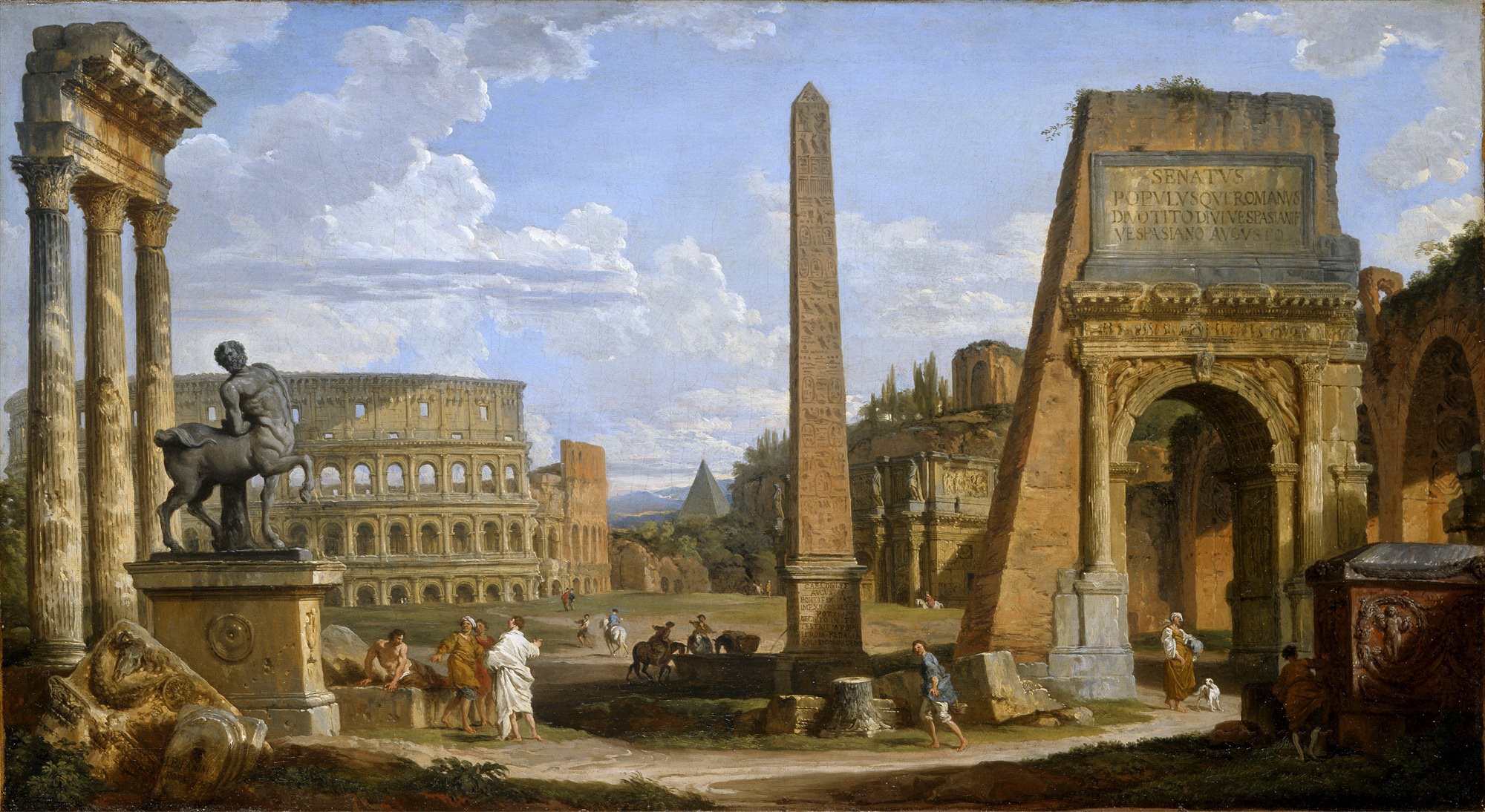
Latin is one of the few languages in history whose influence spans multiple civilizations and historical periods. It was the language of Ancient Rome, the medium through which Roman law, administration, literature, and political life were expressed. Through Roman expansion, Latin spread across Europe and became a foundational element of Western culture.
After the fall of the Western Roman Empire, Latin did not disappear. Instead, it became the shared language of the Middle Ages. Monasteries, schools, and universities preserved and developed knowledge in Latin, using it for theology, philosophy, science, history, and education. Medieval scholars from different regions relied on Latin to communicate ideas across borders, creating a common intellectual framework that endured for centuries.
During the Renaissance, Latin once again played a central role. Humanists returned to classical Latin texts, refined the language, and used it to reform education, literature, and scholarship. From antiquity through the medieval world and into the early modern period, Latin provided continuity in how knowledge was transmitted and understood.
Learning Latin today allows students to follow this long historical thread directly. It offers access to the texts and ideas that shaped Western civilization across its major formative periods, and it provides insight into the origins of modern European languages, institutions, and cultural concepts.
This historical continuity is reflected in how Latin is taught in Latin I: First Steps, the introductory course for absolute beginners. The course uses Lingua Latina per se illustrata: Familia Romana as its core text, following the reading-based method developed by Hans Ørberg. By encountering Latin through continuous reading from the outset, students learn the language as it functioned across centuries, gaining both linguistic competence and historical perspective.
In this way, learning Latin becomes a direct path to understanding the foundations of Western civilization.