Much of what we know about the ancient and medieval world comes to us through texts written in Latin. Histories, letters, legal documents, philosophical works, theological treatises, and scientific writings were composed in Latin across many centuries. Learning Latin allows readers to approach these sources more directly and to gain a clearer understanding of how the past expressed itself.
Translations are valuable tools, especially at the beginning of study. However, they inevitably reflect interpretive choices made by the translator. Reading texts in their original Latin helps learners move beyond reliance on translations and engage more carefully with wording, structure, and nuance. This is particularly important when working with historical and philosophical texts, where meaning often depends on precise language and context.
Studying Latin therefore develops more than linguistic knowledge. It builds the skills needed to read primary sources with greater independence, accuracy, and confidence. Grammar and vocabulary become instruments for understanding, not obstacles to overcome, allowing readers to approach historical texts on their own terms.
This goal shapes the way Latin is taught in our courses. From the very beginning, students are encouraged to read continuous Latin in context rather than decode isolated sentences. Latin I: First Steps, designed for absolute beginners, introduces learners to original Latin through carefully structured lessons that prioritize comprehension and gradual progression.
The course uses Lingua Latina per se illustrata: Familia Romana as its core teaching text, following the reading-based method developed by Hans Ørberg. This approach allows students to encounter Latin as a meaningful language from the outset and to reduce dependence on translations as understanding grows.
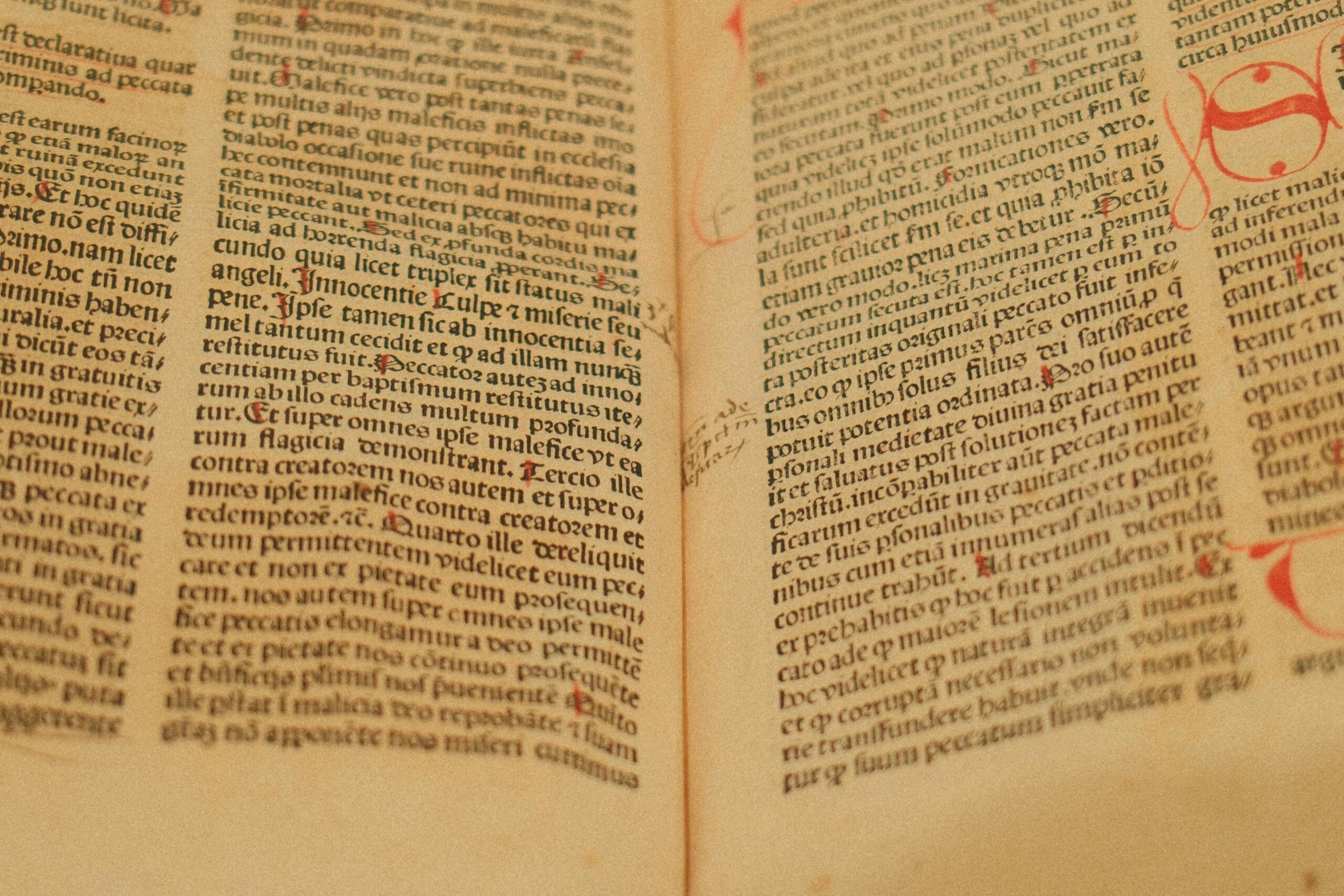
For those who wish to go further, the Medieval Manuscripts course builds directly on these skills. Students apply their Latin reading ability to real manuscript pages, learning how to navigate medieval scripts, abbreviations, and textual conventions. Together, these courses provide a path from learning Latin to engaging directly with the historical record—allowing students to encounter the past with clarity, precision, and confidence.