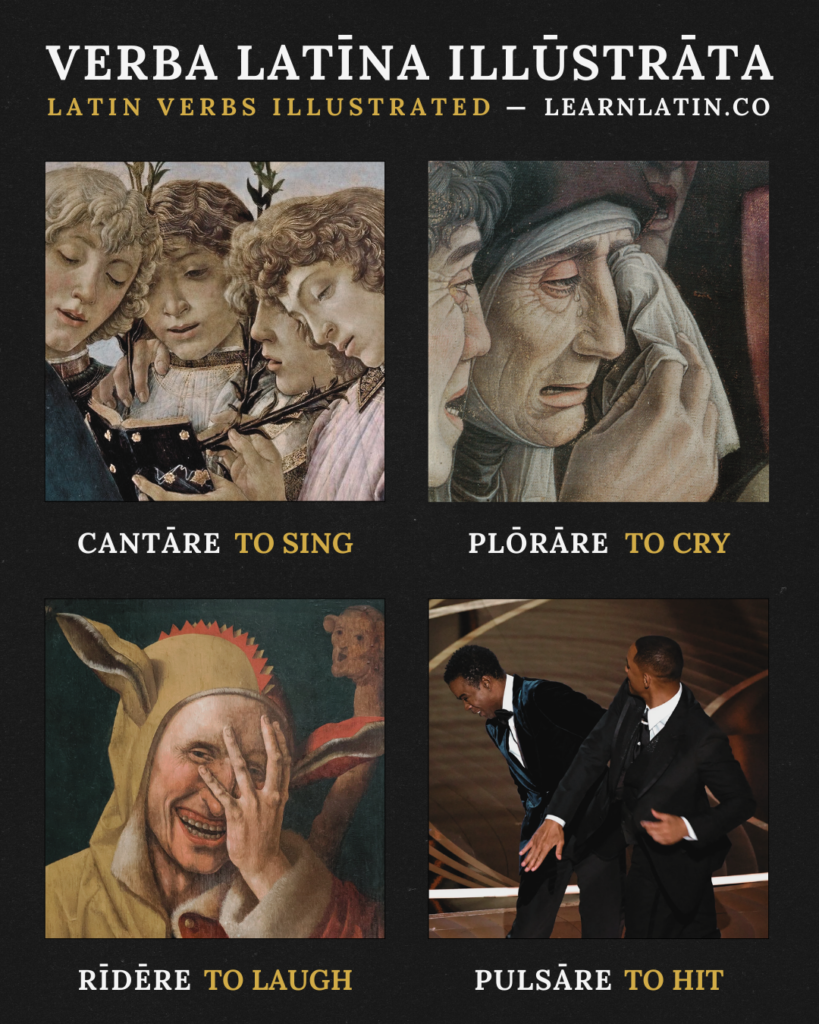
A Bite-Size Visual Approach to Vocabulary Learning Not all of us can dedicate several hours a week to studying Latin. But all of us can spare five minutes to learn four or five new words a day. It is in that spirit that I offer this simple poster featuring four basic yet very common verbs: cantāre, plōrāre, rīdēre, and pulsāre. As always, […]
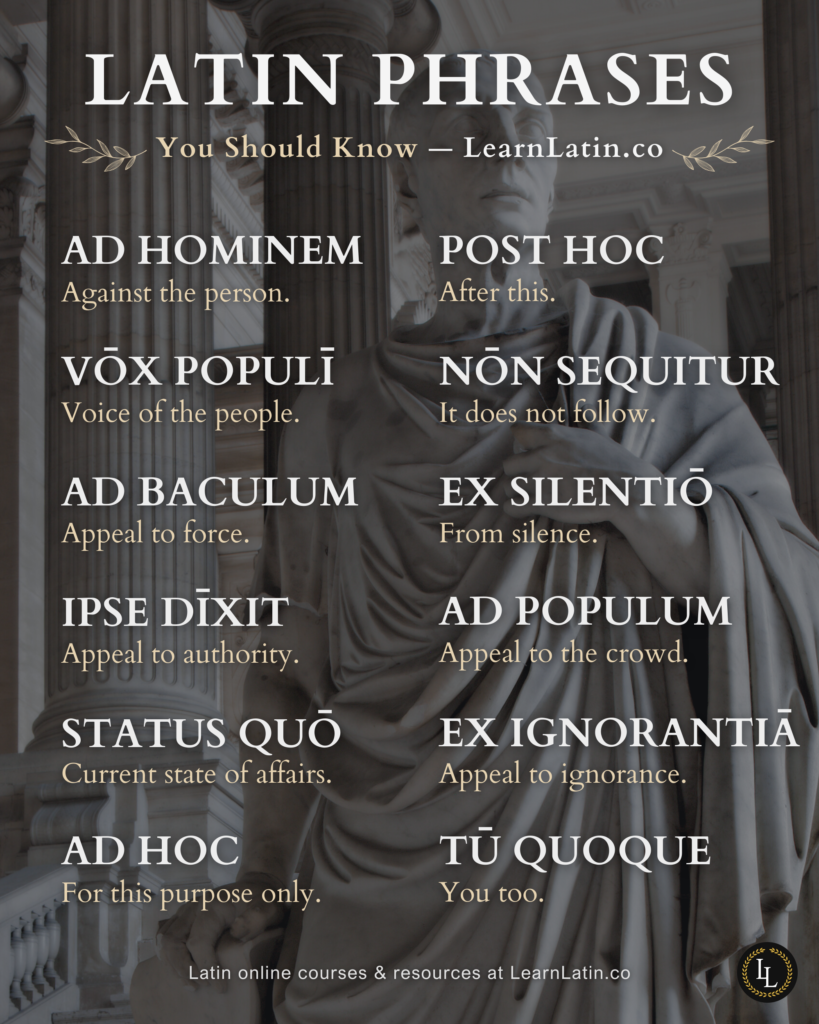
When we find ourselves in the middle of a heated discussion, it is not uncommon for our opponent to resort to manipulation or faulty reasoning if they feel cornered by our arguments. Wouldn’t it be extremely useful, then, to be able to detect these moves immediately and, with a simple and precise expression, dismantle these […]
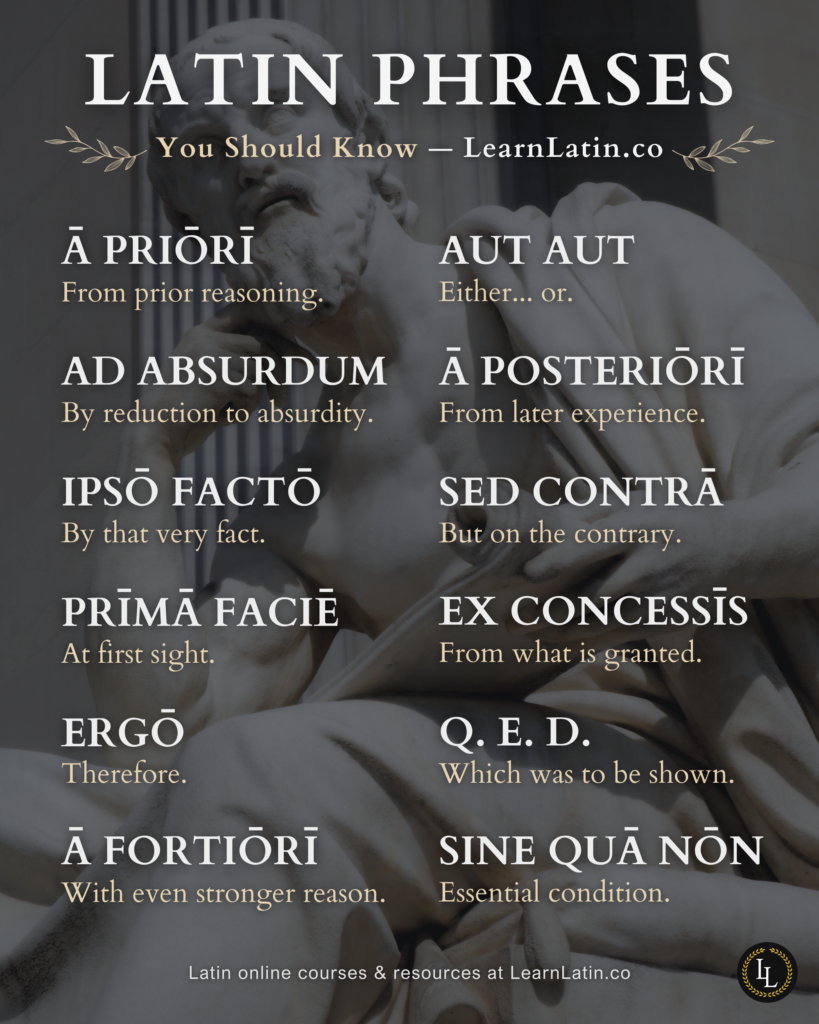
When we talk about logic and argumentation, we often use Latin without noticing. Expressions like ergō, ā priori, or prima facie appear in philosophy, law, academic writing, and even everyday discussion. They sound familiar—almost naturally woven into modern English—yet for many people their precise meaning remains unclear, dulled by habit and casual use. When used […]
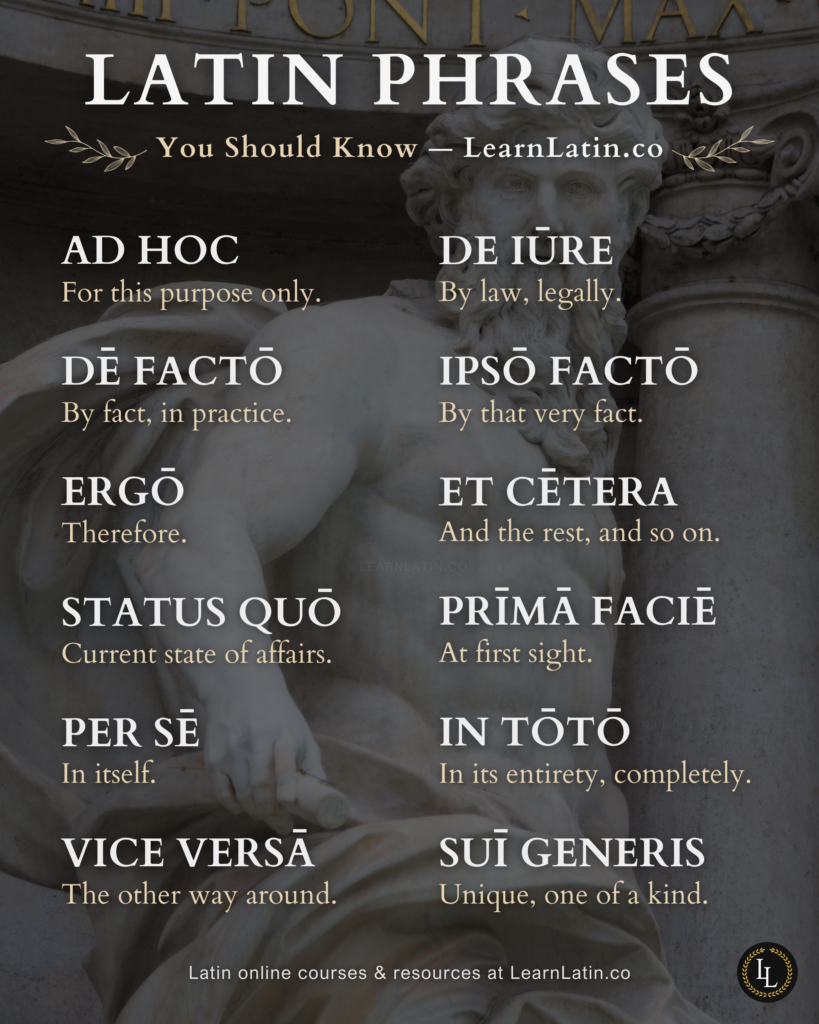
Latin never really disappeared. Many Latin expressions are still part of everyday educated language, especially in law, philosophy, and academic writing. Phrases like ad hoc, per se, or status quo are familiar—but their meaning is often taken for granted. This poster is meant as a quick reference: a small collection of essential Latin phrases with clear, accurate explanations. The goal isn’t to show […]
Much of the medieval world reaches us not through modern books, but through handwritten manuscripts. These fragile objects—copied by hand, annotated, corrected, and preserved over centuries—are the primary witnesses of medieval history, literature, theology, and intellectual life. To read them is to encounter the past in its most direct and material form. Reading medieval manuscripts, […]
After the first encounter with Latin, many learners reach a crucial moment: the basics are familiar, but reading still feels slow and uncertain. Latin II: Foundations was designed precisely for this stage. It is the natural continuation for students who have completed the introductory level and are ready to deepen their understanding of Latin grammar […]
Learning Latin today is not an antiquarian exercise. The Latin language remains essential for understanding the foundations of Western civilization, engaging directly with historical sources, and participating in a two-thousand-year intellectual and religious tradition. Latin I: First Steps, our self-paced online course, was designed precisely with this broader purpose in mind: to offer absolute beginners […]

Latin is unique among European languages in the length and continuity of its intellectual tradition. For over two thousand years, it served as the shared language of learning, scholarship, and religious life, connecting the ancient world with the medieval and early modern periods. Few languages have maintained such a central role across so many centuries […]
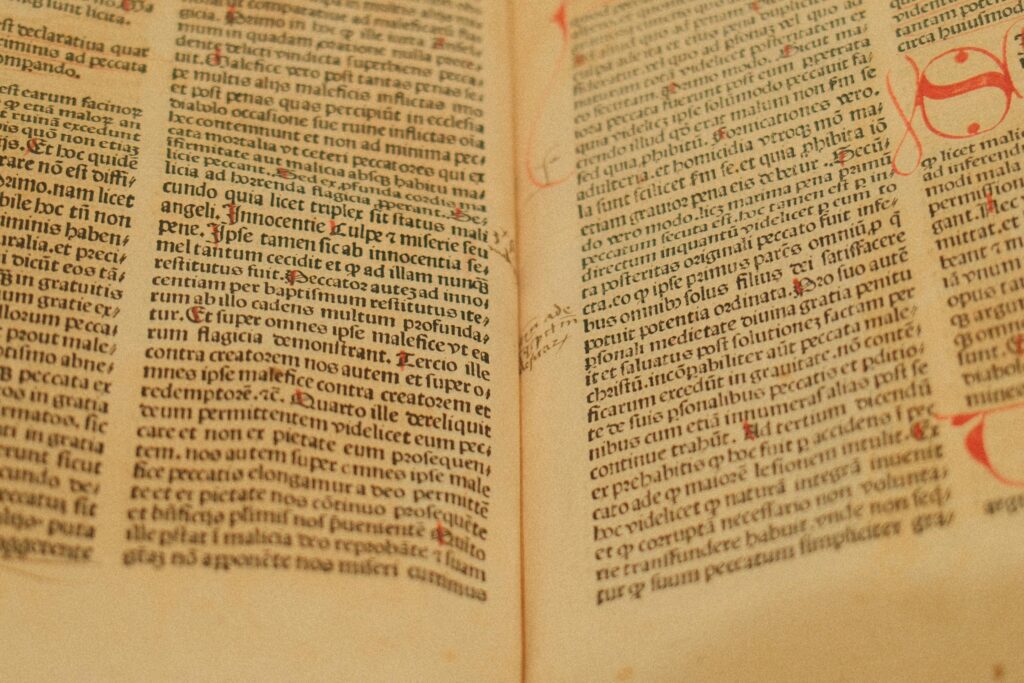
Much of what we know about the ancient and medieval world comes to us through texts written in Latin. Histories, letters, legal documents, philosophical works, theological treatises, and scientific writings were composed in Latin across many centuries. Learning Latin allows readers to approach these sources more directly and to gain a clearer understanding of how […]
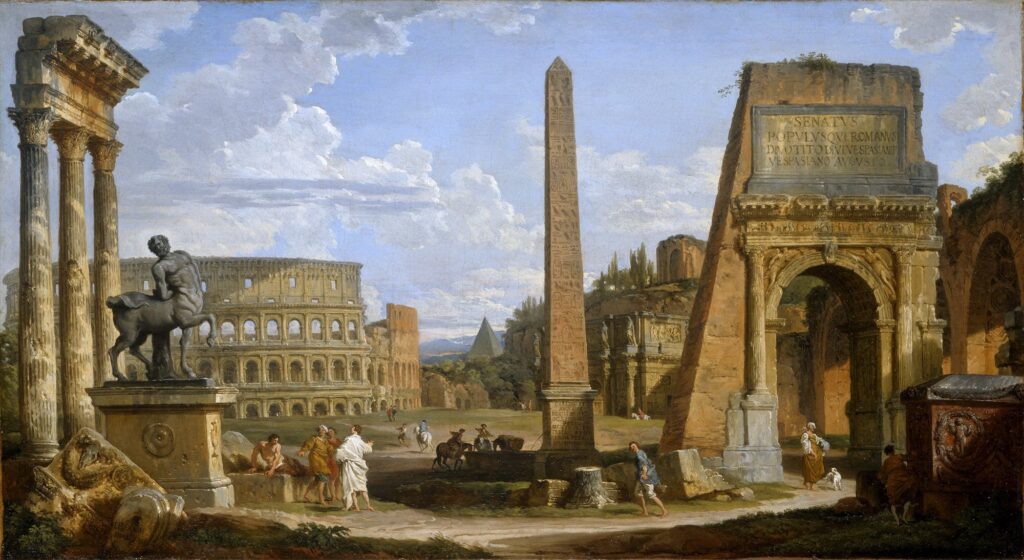
Latin is one of the few languages in history whose influence spans multiple civilizations and historical periods. It was the language of Ancient Rome, the medium through which Roman law, administration, literature, and political life were expressed. Through Roman expansion, Latin spread across Europe and became a foundational element of Western culture. After the fall […]